Crucial Vehicle Repair Advice: Ensure Your Vehicle Runs Efficiently and Keep More Cash!
Keeping up a vehicle is essential for performance and longevity. Regular maintenance can prevent costly repairs and ensure a smooth ride. Basic checks, such as tire pressure and fluid levels, are necessary. However, many car owners neglect the importance of having the right tools and knowledge for DIY repairs. Knowing when to tackle issues on your own and when to seek professional help can make all the difference. What are the best practices to keep a vehicle in top condition?
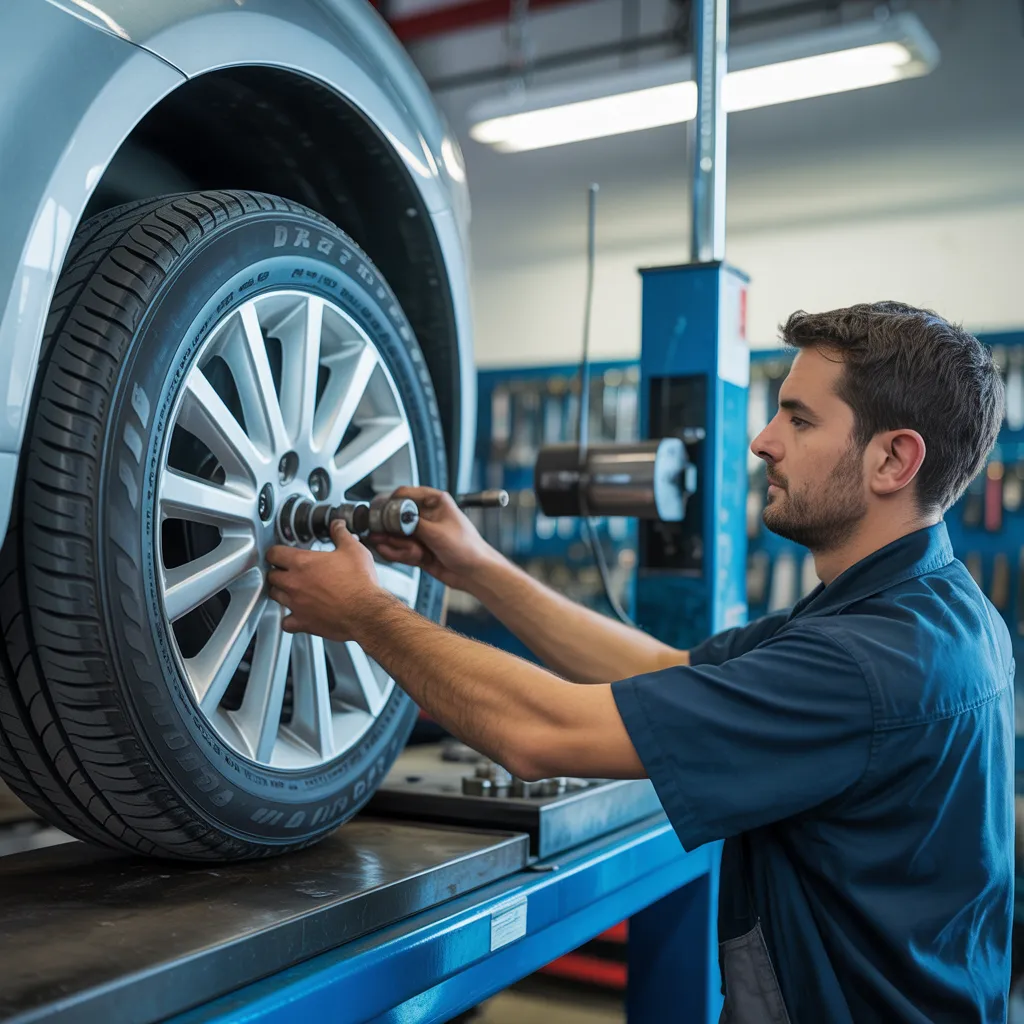
Conducting Standard Maintenance on Your Vehicle
Regarding automotive care, regular routine maintenance is essential for guaranteeing top performance and longevity. This process starts with checking fluid levels, including oil, coolant, and brake fluid, to stop overheating and copyright braking efficiency. Tire maintenance is equally critical; owners should regularly inspect tire pressure and tread depth to improve safety and fuel efficiency.
Moreover, periodic inspections of belts and hoses can stop unexpected breakdowns. Updating the oil and changing filters in line with manufacturer recommendations also promotes engine longevity.
Furthermore, maintaining the vehicle clean, both internally and externally, preserves the paintwork and interior surfaces from damage. Ultimately, recording maintenance activities enables tracking the vehicle's status over time, supporting better decision-making regarding repairs and replacements. By adhering to these methods, vehicle owners can significantly extend their car's lifespan and increase its reliability on the road.
Critical Tools Every Vehicle Owner Should Own
Having the right tools can greatly streamline automobile maintenance and repairs, empowering vehicle owners to handle minor issues before they worsen. Fundamental tools include a high-quality set of wrenches and sockets, which are critical for releasing or tightening various bolts and nuts. A torque wrench is also important for securing proper tightness, especially for essential components.
Moreover, a complete tool kit should have screwdrivers of assorted sizes, pliers, and a hammer. A jack and jack stands are required for safely lifting the vehicle during tire changes or undercarriage inspections.
OBD-II scanners are indispensable for diagnosing engine issues, providing insights into trouble codes. Additionally, having a tire pressure gauge delivers optimal tire health. Finally, a basic first aid kit can be a critical resource in emergencies. Equipped with these basic tools, car owners can confidently tackle routine maintenance and repair jobs, in the end reducing costs and enhancing vehicle durability.
Essential Car Checks You Can Handle Yourself
Consistent upkeep can substantially increase a vehicle's lifespan, and basic checks are easy to perform. Inspecting tire pressure and inspecting fluid levels are two crucial tasks all vehicle owners can handle. By staying proactive with these checks, drivers can guarantee their vehicles remain in optimal condition.
Inspect Tire Pressure Regularly
Maintaining proper tire pressure is essential for both safety and efficiency of your vehicle, as underinflated or overinflated tires can lead to decreased fuel economy and increased wear. Checking tire pressure regularly is a basic yet highly effective approach to enhance performance and prolong tire life. Vehicle owners should utilize a reliable tire pressure gauge to check the pressure when the tires are cold, as warmth from operation can skew results. The proper pressure specifications are usually located on a sticker located on the driver's side door frame or in the manual. It is wise to check tire pressure at least once a month, and before long trips, to maintain proper handling and secure operation. Routine monitoring may prevent costly repairs and improve your overall experience behind the wheel.
Inspect Your Fluids Routinely
Once you've ensured that tire pressure is within the recommended range, drivers should shift their focus to inspecting fluid levels regularly. Keeping proper fluid levels is vital for the vehicle's longevity and performance. Important fluids to check include engine oil, coolant, brake fluid, transmission fluid, and windshield washer fluid. All of these fulfill a critical function in ensuring the vehicle operates smoothly and safely. Drivers should review their owner's manual for specific levels and recommendations. Regular reviews can help identify leaks or low levels before they result in more serious issues. By making fluid checks a regular part of vehicle maintenance, drivers can reduce costly repairs and increase their car's reliability on the road.
Diagnosing Frequent Vehicle Troubles at Home
In what ways can automobile owners successfully troubleshoot routine issues at home without seeking professional help? To begin, one should get acquainted with the car's owner manual, which often contains troubleshooting sections for multiple concerns. As an illustration, if the engine doesn't start, inspecting the battery connections and ensuring the battery is charged is a practical initial approach.
If warning lights appear on the dashboard, look up the exact meaning of that light, as this can point to various issues. Being alert to uncommon sounds, such as grinding or squeaking, can also offer insights into potential problems.
Moreover, assessing the tires for proper inflation and tread wear can avert further complications. Routinely checking for leaks underneath the vehicle can also help detect issues early. By utilizing these methods, car owners can properly identify and address minor problems, possibly saving money on unnecessary repairs.
Helpful Advice to Maximize Your Vehicle Service Life
Prolonging a automobile's lifespan requires a forward-thinking approach to maintenance and care. Consistent oil changes are critical, as they make certain the engine operates efficiently and smoothly. Drivers should also regularly check and replace air filters, which can boost performance and fuel efficiency. Moreover, maintaining proper tire pressure and turning tires consistently can avoid uneven wear and increase tire life.
Other crucial practices include keeping track of fluid levels—such as coolant, brake fluid, and transmission fluid—and substituting them when needed. Ensuring your vehicle stays clean, both internally and externally, aids in preventing rust and corrosion, particularly in places with harsh weather conditions.
Lastly, sticking to the factory-recommended maintenance schedule is crucial. This includes inspections for belts, brakes, and battery health. By following these actionable tips, vehicle owners can significantly increase the lifespan of their cars while optimizing reliability and performance.
When to Call in the Pros for Repairs?
Understanding when to seek professional assistance for auto repairs is crucial for maintaining vehicle safety and performance. Indicators such as engine warning lights, unusual noises, or vibrations, and complex electrical issues often signal that a mechanic's expertise is needed. Addressing these concerns promptly can prevent further damage and costly repairs in the long run.
Recognizing when to obtain professional help for auto repairs is essential for maintaining vehicle safety and performance. Indicators such as engine warning lights, unusual noises, or vibrations, and complex electrical issues often signal that a mechanic's expertise is needed. Addressing these concerns promptly can prevent further damage and costly repairs in the long run.
Knowing when to seek professional assistance for auto repairs is vital for upholding vehicle safety and performance. Warning signals such as engine warning lights, unusual sounds, or vibrations, and complex electrical issues often indicate that a mechanic's expertise is needed. Handling these concerns promptly can prevent further damage and costly repairs in the long run.
Knowing when to seek professional support for auto repairs is essential for upholding vehicle safety and performance. Warning signals such as engine warning lights, unusual acoustic disturbances, or vibrations, and complex electrical issues often indicate that a mechanic's expertise is necessary. Tackling these concerns promptly can avoid further damage and costly repairs in the long run.
Knowing when to seek professional assistance for auto repairs is essential for maintaining vehicle safety and performance. Signs such as engine warning lights, unusual noises, or vibrations, and complex electrical malfunctions often suggest that a mechanic's expertise is necessary. Handling these concerns quickly can stop further damage and costly repairs in the long run.
Understanding when to obtain professional support for auto repairs is vital for upholding vehicle safety and performance. Warning signals such as engine warning lights, unusual sounds, or vibrations, and complex electrical issues often indicate that a mechanic's expertise is needed. Tackling these concerns immediately can stop further damage and expensive repairs down the road.
Understanding when to obtain professional assistance for auto repairs is crucial for maintaining vehicle security and performance. Warning signals such as engine warning lights, unusual acoustic disturbances, or vibrations, and complex electrical malfunctions often suggest that a mechanic's expertise is necessary. Handling these concerns immediately can stop further damage and high-cost repairs down the road.
Recognizing when to obtain professional help for auto repairs is vital for upholding vehicle safety and functionality. Indicators like engine warning lights, unusual sounds, or vibrations, and complex electrical issues often suggest that a mechanic's expertise is necessary. Handling these concerns quickly can stop further damage and expensive repairs down the road.
Engine Warning Lights
When should a driver seek professional assistance for engine warning lights? Drivers ought to contact a mechanic immediately when an engine warning light appears on their dashboard. Ignoring these signals can lead to more significant problems, including engine damage or reduced fuel efficiency. It is crucial to differentiate among warning lights; for instance, the check engine light can represent various problems, from small to severe. If the light is accompanied by unusual behavior, such as stalling or overheating, immediate professional evaluation is necessary. In addition, if the light persists after executing basic troubleshooting, such as verifying the gas cap, it is prudent to obtain expert help. Swift intervention can save money and assure the vehicle performs smoothly.
Strange Sounds or Vibrations
How should a driver respond when noticing abnormal sounds or feeling vibrations while driving? The foremost action is to keep calm and examine the jump in conditions. If the noises or vibrations don't cease, the driver should securely pull over and turn the engine off. Attentive listening can help pinpoint the cause—be it grinding, rattling, or humming noises. Such signs frequently suggest possible problems with the engine, brakes, or suspension system. Overlooking them may lead to more significant complications and costly maintenance. Should the motorist be uncertain about the cause, it's recommended to seek a professional mechanic's advice. Swift response can prevent extra damage and strengthen vehicle safety, ensuring a more pleasant driving experience.
Advanced Electrical Challenges
How can a motorist identify when their vehicle's electrical concerns are outside their capabilities? When confronted with ongoing electrical issues, like intermittent lighting, sensors that aren't working properly, or a repeatedly dying battery despite new installations, it may be time to get professional support. If the driver experiences warning lights on the dashboard or struggles to start the automobile, these warnings reveal complex issues that frequently demand specialized diagnostic tools. Furthermore, if attempts to troubleshoot—such as testing fuses or contact points—don't solve the concerns, it is advisable to consult an experienced technician. The electrical systems in vehicles can be sophisticated and demand professional understanding to prevent worsening the problem, ensuring safety and reliability on the road.
Affordable Car Service Tips
Many car owners look for economical auto repair tips to service their vehicles without straining their budgets. One successful strategy involves performing regular maintenance, such as oil changes and tire rotations, which can avert significant repairs in the long run. Car owners should also study their vehicles' manuals to grasp recommended service intervals and procedures.
In addition, procuring parts from reliable aftermarket suppliers can result in notable savings compared to dealership prices. Engaging in DIY repairs for simple issues, including replacing air filters or wiper blades, can also lower labor costs. Motorists might consider joining regional car clubs or online forums, where guidance and shared experiences can deliver valuable insights and potential discounts on parts and services.
Lastly, routinely inspecting tire pressure and fluid levels can enhance fuel efficiency and prolong vehicle life, making these straightforward practices an essential part of economical vehicle maintenance.
FAQ
How Often Should I Change My Oil Filter?
Your oil filter needs to be replaced every three thousand to five thousand miles, according to the vehicle and oil type used. Regular maintenance guarantees optimal engine performance and longevity, preventing contaminants from compromising the oil system.
What's the Ideal Fuel Type for My Vehicle?
The optimal fuel type for a vehicle is based on its manufacturer specifications. Typically, regular unleaded gasoline is sufficient for many models, while premium fuel may boost performance in high-performance vehicles, maintaining ideal engine efficiency and longevity.
What Are the Signs That My Tires Need Replacement?
To assess if tire replacement is needed, check for tread wear indicators, visible cracks, bulges, or uneven wear. Additionally, a depth gauge can check tread depth; under 2/32 inches typically signals replacement is needed.
How Do You Know When Your Battery Is Failing?
Indicators of a dying battery include problems starting the vehicle, reduced brightness of headlights, corrosion on battery terminals, a bloated case, and recurring electrical issues. Periodic testing and inspection can help recognize these indicators early to prevent breakdowns.
Should I Wash My Car During Winter?
It is entirely possible and beneficial to wash a car during winter. This helps eliminate salt and grime that can cause corrosion. Nevertheless, one should guarantee the temperature enables proper drying to prevent freezing.